Information
08 September 2026
Why Is Sea Island Cotton So Expensive?




Our brand
Editorial
Corporate

Product added to Wishlist
Product removed from wishlist
Product added to cart
Product added to cart
CartAdicionado ao comparador
Removido do comparador
To start the search enter at least 3 characters of a description, brand or reference number
08 September 2026
Search here...
Most Popular Articles
Subscribe to the Newsletter
Get the latest news from our brand in your inbox
| Use to why is sea island cotton so expensive? |
|---|
Why Is Sea Island Cotton So Expensive?
|
| Use to view more |
|---|
What Makes Sea Island Cotton Different
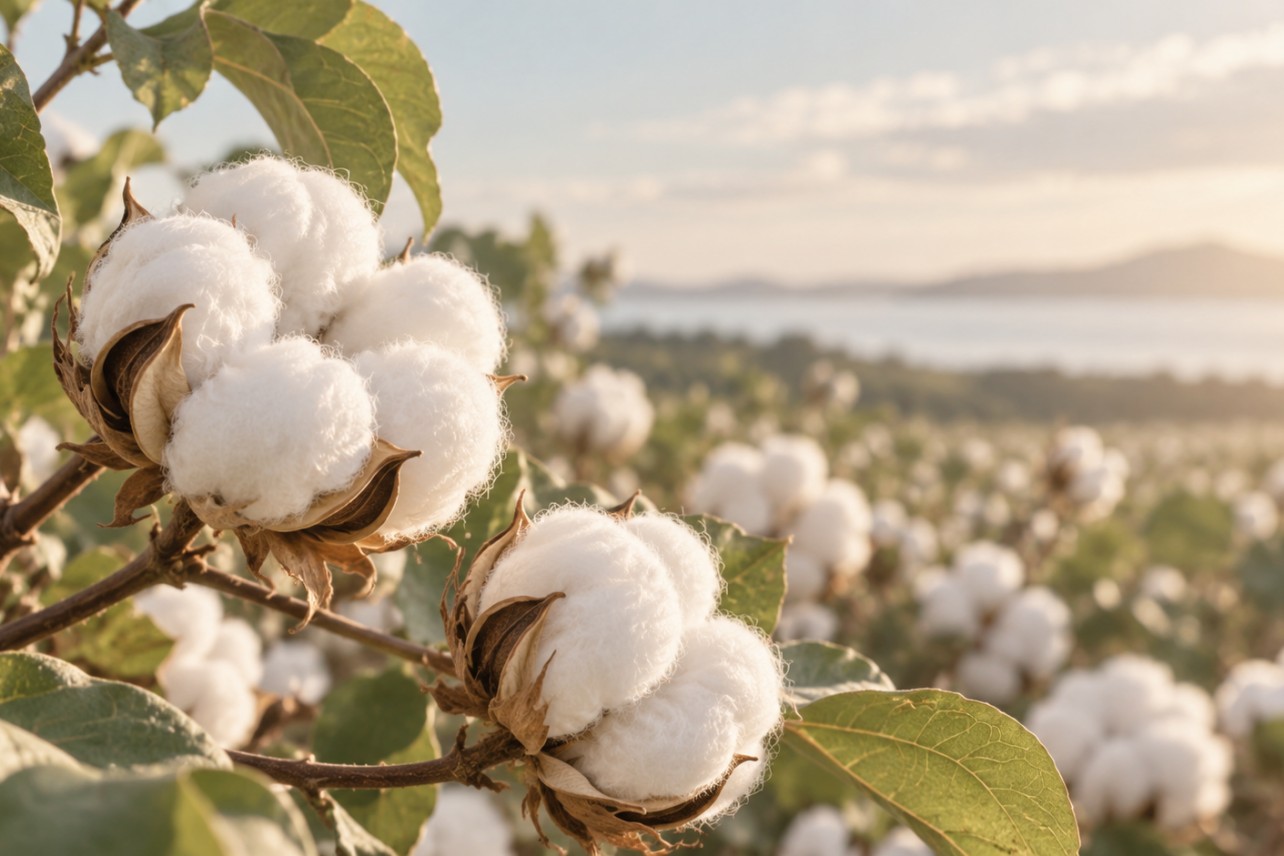
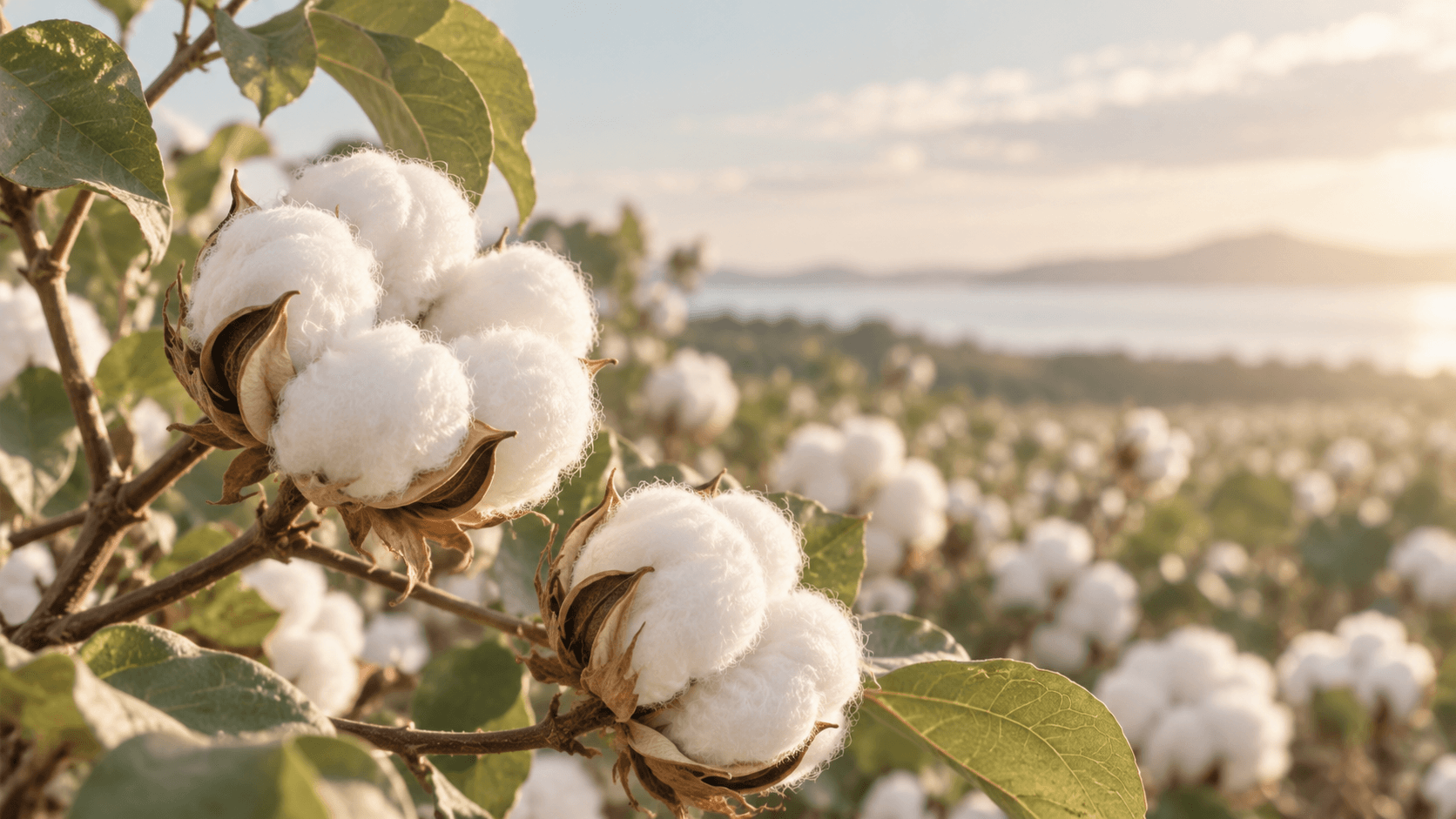
Sea Island cotton is an extra-long staple (ELS) cotton, meaning its individual fibres are significantly longer than those of standard cotton. Staple length is the single biggest factor in how a cotton fibre behaves: longer fibres can be spun into finer, stronger, smoother yarn, with far fewer of the short, frizzy ends that make ordinary cotton feel coarse or that cause pilling over time. |
| Use to view more |
|---|
Why It Can Only Grow in So Few Places
Sea Island cotton takes its name from the coastal islands off Georgia and South Carolina, where it was first cultivated, and it now grows almost exclusively in similarly specific micro-climates, most famously in parts of the Caribbean, including the West Indies. It requires a very particular combination of humidity, temperature, and soil salinity that most cotton-growing regions simply don't have. |
| Use to view more |
|---|
Hand-Picked, Not Machine-HarvestedBecause the plant's bolls are more delicate and the fibre more valuable per unit, Sea Island cotton is traditionally hand-picked rather than machine-harvested. Machine harvesting, standard for most commercial cotton, damages a percentage of fibres and mixes in leaf debris and shorter fibres. Hand-picking avoids this almost entirely, preserving fibre length and cleanliness, but it's slower, more labour-intensive, and simply costs more to bring to market. |
| Use to view more |
|---|
The Feel Is the Proof
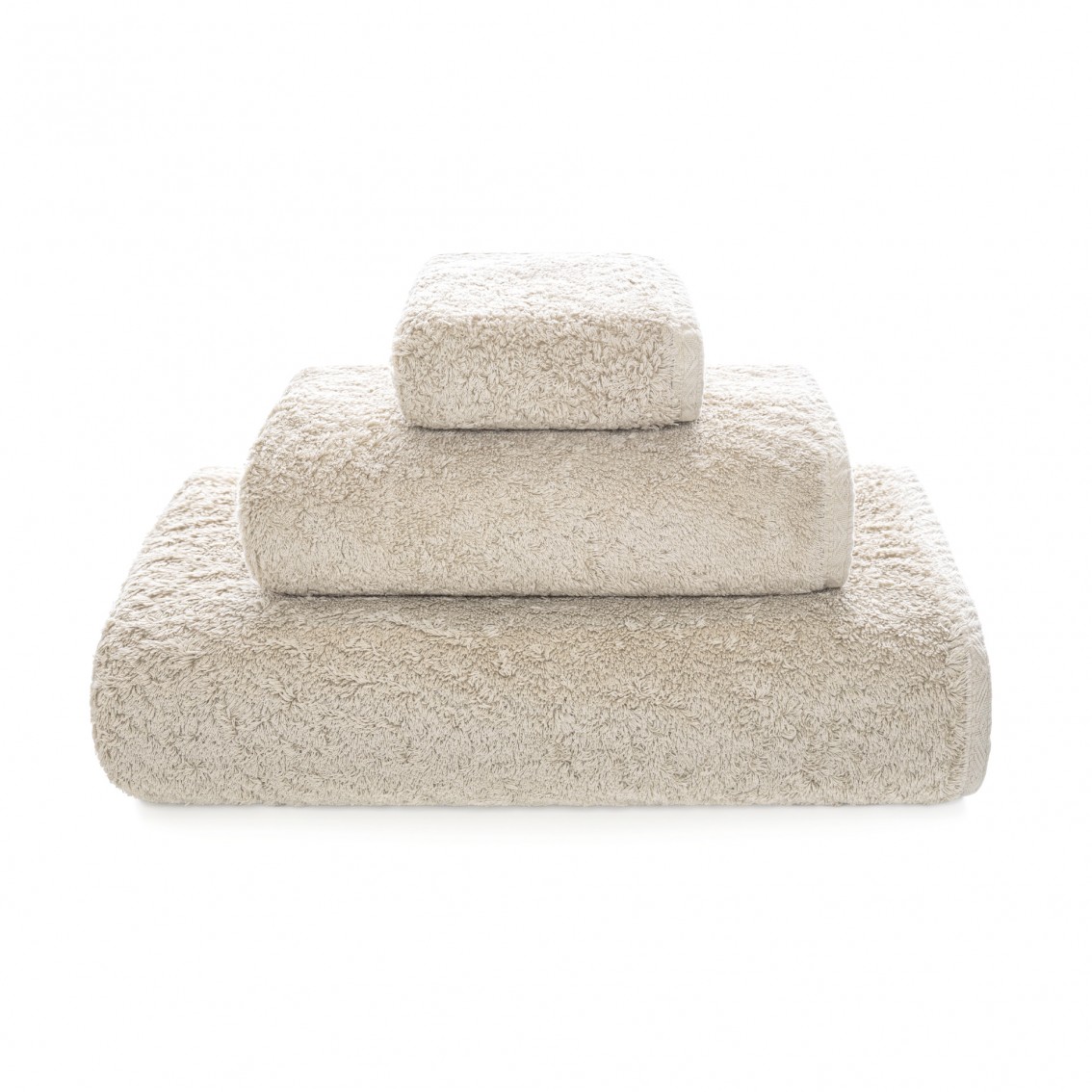
Longer fibre translates directly into what you feel when you touch the finished textile: a smoother surface, a natural sheen rather than a dull matte finish, and a strength that lets the yarn be spun finer without becoming weak. This is why Sea Island cotton is often described with words like "silky", it's not a marketing metaphor, it's a structural property of the fibre itself. |
| Use to view more |
|---|
How It Compares to Egyptian CottonEgyptian cotton is also an extra-long staple variety, and genuinely excellent, but Sea Island sits above it in terms of fibre length, output scarcity, and historical exclusivity. Less than 0.0004% of the world's cotton production is estimated to be genuine Sea Island cotton, compared with the far larger (though still limited) global output of Egyptian cotton. |